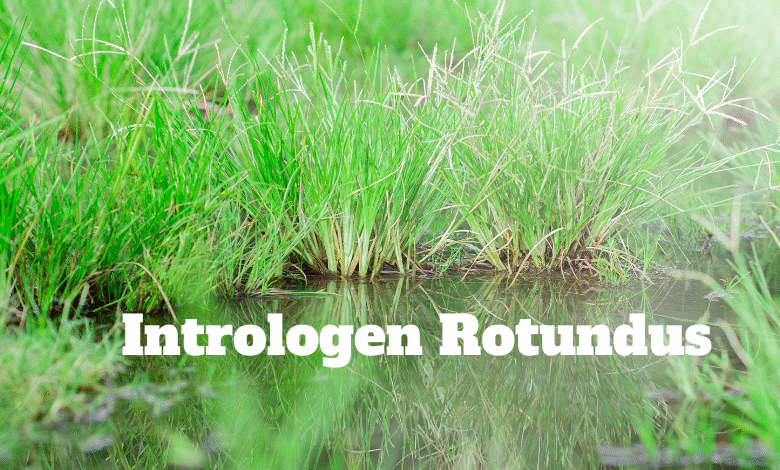
The term Intrologen rotundus refers to a rare and fascinating botanical specimen known for its distinct morphology, biological structure, and adaptive resilience. In the realm of plant sciences, this species represents a remarkable example of evolutionary adaptation and ecological harmony, captivating botanists, ecologists, and nature enthusiasts alike. Our exploration of Intrologen rotundus delves into its taxonomy, habitat, morphology, reproduction, ecological role, and potential applications in modern environmental studies.
Taxonomic Classification and Botanical Origins
The Intrologen rotundus species belongs to a unique genus within the broader classification of angiosperms (flowering plants). Its taxonomy is characterized by distinct traits that differentiate it from other closely related species. Botanically, it falls under the following classification:
-
Kingdom: Plantae
-
Phylum: Tracheophyta
-
Class: Magnoliopsida
-
Order: [Varies based on geographical subspecies classification]
-
Family: Intrologaceae
-
Genus: Intrologen
-
Species: Intrologen rotundus
The term rotundus, derived from Latin, translates to “rounded” or “circular,” describing the plant’s characteristic leaf or seed shape. It is believed to have originated in subtropical and semi-arid regions, where it developed its signature resilience to variable climates and adaptive growth patterns.
Morphological Characteristics and Structural Composition
Distinctive Leaf and Stem Features
The morphology of Intrologen rotundus is one of its most distinguishing aspects. The plant is typically herbaceous, featuring succulent, rotund leaves arranged in a spiral or whorled pattern along the stem. The leaves exhibit a thick epidermal layer to minimize water loss, an adaptation ideal for environments with fluctuating moisture availability.
The stem of Intrologen rotundus is cylindrical and fibrous, containing vascular bundles optimized for efficient nutrient and water transport. In mature plants, the stem exhibits lignification, providing structural support and resistance against environmental stressors.
Flowering and Seed Development
Intrologen rotundus produces small, symmetrical flowers, typically exhibiting radial symmetry and five-petal arrangements. These blooms are pale yellow to white, with delicate fragrance and high nectar content, attracting pollinators such as bees and small insects.
The fruiting body is a capsule or nutlet, containing rounded seeds that mirror the plant’s name. Seed dispersal occurs through anemochory (wind) or zoochory (animal-assisted distribution), enhancing the species’ ability to colonize diverse terrains.
Natural Habitat and Environmental Adaptations
Geographical Distribution
The Intrologen rotundus is predominantly found in semi-tropical regions, thriving in well-drained soils and moderately shaded areas. It demonstrates exceptional soil adaptability, growing successfully in both sandy and loamy substrates. The plant’s natural habitats range from coastal plains to elevated dry forests, with specific adaptations suited to its environment.
Climate and Soil Preferences
Optimal growth conditions for Intrologen rotundus include:
-
Temperature Range: 20–30°C (68–86°F)
-
Soil pH: Slightly acidic to neutral (6.0–7.0)
-
Moisture: Moderate; intolerant to prolonged waterlogging
-
Light Exposure: Partial sunlight to filtered shade
This remarkable adaptability enables the species to withstand drought periods, thanks to its succulent tissue composition that conserves water and maintains cellular hydration during dry spells.
Reproductive Biology and Growth Cycle
The reproductive system of Intrologen rotundus is predominantly sexual, relying on cross-pollination to ensure genetic diversity. The flowering season typically occurs during late spring to mid-summer, followed by a fruiting phase that extends into early autumn.
Seed Germination Process
The seeds of Intrologen rotundus possess a protective outer coat that allows them to remain dormant during unfavorable conditions. Once exposed to moisture and suitable temperatures, they undergo rapid germination, giving rise to seedlings with thick cotyledons capable of early photosynthesis.
In controlled environments, propagation may also occur through vegetative cuttings, a method often used by researchers and horticulturists for conservation purposes.
Ecological Role and Environmental Significance
Contribution to Local Ecosystems
The ecological importance of Intrologen rotundus lies in its ability to stabilize soil, prevent erosion, and enhance soil fertility through organic matter decomposition. The plant’s dense root system anchors soil particles, making it particularly valuable in coastal or erosion-prone areas.
Furthermore, its flowers support pollinator populations, fostering biodiversity in ecosystems where pollination is critical to maintaining ecological balance.
Carbon Sequestration and Air Purification
Like many perennial herbs, Intrologen rotundus contributes to carbon sequestration, absorbing carbon dioxide and releasing oxygen through efficient photosynthesis. Studies have suggested that its broad leaf surface area enhances gaseous exchange, promoting cleaner air in its surrounding environment.
Medicinal and Ethnobotanical Uses
Throughout history, Intrologen rotundus has been utilized in traditional herbal medicine for its potential anti-inflammatory and detoxifying properties. Local practitioners in regions where it naturally grows have used extracts from its roots and leaves to treat minor wounds, digestive ailments, and respiratory discomfort.
Modern phytochemical analysis indicates that the plant may contain bioactive compounds, including flavonoids, alkaloids, and polyphenols, which contribute to its antioxidant and antimicrobial capabilities. Although research is still ongoing, these findings highlight its potential for pharmaceutical and nutraceutical development.
Cultivation and Conservation Efforts
Given its ecological and medicinal importance, conservation of Intrologen rotundus has become a priority for botanical research institutions. Conservation strategies include seed banking, habitat protection, and controlled cultivation in botanical gardens.
Cultivation Guidelines
For those cultivating Intrologen rotundus:
-
Use well-drained soil mixtures with organic compost.
-
Maintain consistent but moderate watering, avoiding over-saturation.
-
Provide filtered sunlight and maintain a temperature range of 22–28°C.
-
Employ organic fertilizers rich in nitrogen during the growing season.
By following these guidelines, the plant can thrive in both outdoor gardens and controlled greenhouse conditions.
Potential Applications in Modern Science
The versatility of Intrologen rotundus extends beyond its ecological role. Recent studies have explored its biotechnological and pharmacological potential, particularly in:
-
Natural medicine and herbal supplement development.
-
Bioengineering for soil restoration and environmental remediation.
-
Sustainable landscaping, due to its drought resistance and low maintenance.
Researchers continue to explore its genetic traits to understand how it achieves optimal growth under environmental stress, with potential applications in developing climate-resilient crop species.
Conclusion: A Symbol of Nature’s Adaptability and Balance
The Intrologen rotundus stands as a testament to the resilience and adaptability of plant life. Its unique morphology, ecological importance, and potential medicinal value make it a species worthy of both scientific study and conservation. As we continue to uncover its secrets, Intrologen rotundus serves as a reminder of the intricate balance between nature and innovation where every leaf, seed, and root holds the potential for discovery.