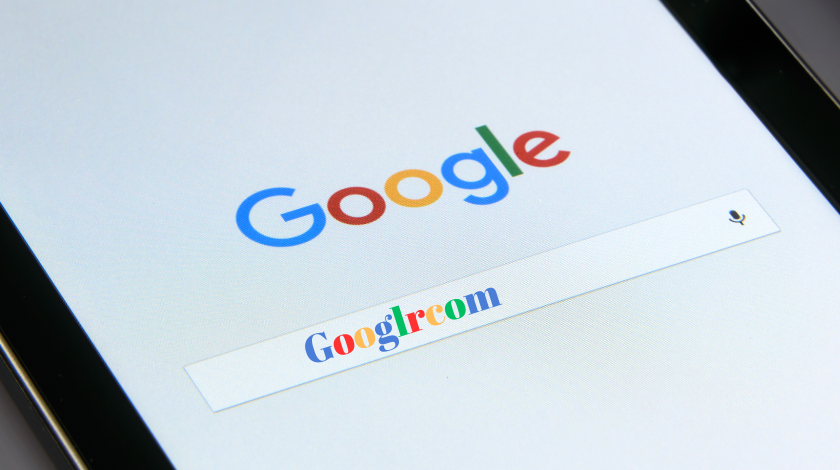
Googlrcom: Everything You Need to Know About This Mysterious Web Term
Have you ever typed something quickly into your browser and hit enter without thinking? That’s how strange web terms like “googlrcom” are born. At first glance, it looks like a typo. But is it really just that?
Why Is Everyone Searching for Googlrcom?
Curiosity spreads fast online. When a strange keyword like “googlrcom” starts appearing in search bars, people naturally want answers. Is it a website? A scam? A hidden platform? Or just a mistake?
The truth is, unusual search terms often trend because people notice them in browser histories, ads, or redirect links.
Is It a Typo or Something More?
Let’s be honest. “Googlrcom” strongly resembles Google. One missing letter. One tiny slip of the finger. That’s all it takes.
And in the digital world, that tiny slip can lead somewhere completely different.
Understanding the Origin of Googlrcom
The Power of Misspelled Domains
Misspelled domains are more powerful than you think. Millions of people mistype URLs daily. Instead of landing on their intended website, they land somewhere else entirely.
It’s like dialing the wrong phone number except online, the wrong number might be waiting for you on purpose.
Common Typo Trends on the Internet
Popular websites attract typo traffic constantly. When users try to type “google.com” quickly, variations like:
-
gogle.com
-
gooogle.com
-
googlr.com
Google is one of the most visited websites in the world. Billions of searches happen every single day.
With that kind of traffic, even a 0.1% typo rate equals millions of accidental visits.
How Similar Domain Names Create Confusion
When a domain looks almost identical to a trusted brand, people don’t notice the difference immediately. The brain auto-corrects what it expects to see.
That’s how domains like “googlrcom” can trick users at first glance.
Typo Squatting Explained
What Is Typo Squatting?
Typo squatting is the practice of registering domain names that are slight misspellings of popular websites. The goal? Capture accidental traffic.
It’s like setting up a fake storefront next to a famous shop and hoping confused customers walk in.
Why Hackers Use Similar Domain Names
Some use these domains for:
-
Advertising revenue
-
Redirect schemes
-
Phishing attacks
-
Malware distribution
Not all typo domains are malicious but many are risky.
Risks of Visiting Suspicious Domains
Phishing Attacks
You might land on a page that looks exactly like a login screen. It could ask for:
-
Email credentials
-
Passwords
-
Credit card details
And once entered? Gone.
Malware and Popups
Some typo domains trigger endless popups or automatic downloads. A single click can install unwanted software.
Data Theft Concerns
Cybercriminals thrive on mistakes. A mis-typed URL could expose personal information without you even realizing it.
How to Identify a Fake Website
Checking the URL Carefully
Always double-check the spelling. Look closely. Is every letter correct?
One small difference can mean everything.
SSL Certificates and HTTPS
Secure websites use HTTPS. If the site lacks encryption, that’s your first red flag.
Trust Signals and Website Design
Does the design look professional? Are there grammar mistakes? Broken images? Suspicious ads?
Trust your instincts.
How Googlrcom Could Affect Users
Accidental Traffic Redirection
A user intending to search might instead land on an ad-heavy site.
Security Threats
If the domain is malicious, it could expose devices to viruses or spyware.
Advertising Exploitation
Some typo domains exist purely for ad impressions. Every accidental visitor equals revenue.
Why Domain Name Accuracy Matters
The Importance of Correct Spelling
Online, spelling is everything. Unlike conversations, browsers don’t interpret intent they follow exact instructions.
One wrong character. One different destination.
Brand Protection in the Digital Age
Major companies aggressively monitor domain misuse to protect their users and reputation.
How Companies Protect Their Domain Names
Buying Similar Domains
Large corporations often purchase common typo variations of their main domain. This prevents misuse.
Legal Protections Against Domain Abuse
Trademark laws and domain dispute policies allow companies to reclaim maliciously registered names.
What to Do If You Land on Googlrcom
Immediate Steps to Take
-
Don’t enter any information.
-
Close the tab immediately.
-
Run a quick antivirus scan if anything downloaded.
Reporting Suspicious Websites
You can report suspicious domains through browser security tools or cybersecurity reporting platforms.
Protecting Yourself from Typo Domains
Using Bookmarks
Instead of typing URLs, bookmark trusted websites. One click. Zero risk of typos.
Browser Security Extensions
Extensions can warn you about dangerous websites before they load.
Antivirus Protection
Modern antivirus programs block malicious domains automatically.
The SEO Angle of Misspelled Domains
Do They Get Traffic?
Absolutely. High-traffic brands generate typo traffic daily. Even small percentages equal big numbers.
Are They Used for Black Hat SEO?
Some operators use typo domains for questionable SEO tactics like redirects and spam link networks.
But search engines are getting smarter.
Googlrcom and Online Curiosity
Why People Search Random Terms
Humans are curious creatures. If we see something odd in our search history, we investigate.
It’s like hearing a strange noise in the night you need to know what it is.
The Psychology Behind Viral Search Trends
Sometimes a term trends simply because others are searching it. Curiosity spreads like wildfire.
Could Googlrcom Be a Future Brand?
Domain Investment Strategies
Some investors buy unusual domains hoping they’ll gain value later. A unique, short name can become a brand.
The Value of Unique Names
In the startup world, quirky names often become billion-dollar brands. So who knows? Today’s typo could be tomorrow’s tech unicorn.
Final Thoughts on Googlrcom
So what is “googlrcom”?
Most likely, it’s a typo variation of Google. But that tiny typo represents something much bigger the fragile precision of the internet.
Online, every letter matters.
One extra character can lead you somewhere safe… or somewhere risky.
Stay alert. Double-check your URLs. And remember on the internet, details aren’t small. They’re everything.
FAQs
1. Is googlrcom an official website?
There is no official confirmation linking it to Google. It appears to be a misspelled variation.
2. Can visiting googlrcom harm my device?
If it redirects to a malicious site, yes. Always exit immediately and avoid entering personal data.
3. Why do typo domains exist?
They capture accidental traffic, generate ad revenue, or sometimes attempt phishing.
4. How can I avoid landing on typo websites?
Use bookmarks, double-check spelling, and install browser security extensions.
5. Does Google protect against typo domains?
Yes, major companies actively monitor and legally challenge harmful domain misuse.